

Acoustic with Silent, hybrid piano or digital piano: which one fits whom. Anyone looking for a piano who also wants to practise late at night or in a rented flat faces three quite different paths today. They are advertised in similar terms, but work on fundamentally different technology and are priced accordingly.
This guide sorts the three types by the criteria that really decide a purchase: touch, sound, footprint, price class, maintenance and above all control over volume. By the end you will know which type suits your room, your budget and your standards.
01The three paths at a glance
Before the detail, the core principle of each type in one sentence.
An acoustic piano with a Silent system is a full piano with strings and a soundboard that can be muted at the touch of a button: a stop rail catches the hammers just before the strings, optical sensors read the touch and generate a digital sound through headphones. Played acoustically it stays a real piano.
A hybrid piano has a real piano or grand action with wooden hammers, but no strings and no soundboard. The touch is captured by sensors and turned into digital sound. It offers a very authentic feel, yet is digital at its core and always volume adjustable.
A digital piano simulates action and sound entirely electronically. The keyboard is weighted but lighter and more compact. It is the most affordable, lightest and lowest maintenance way into piano playing.
One special case: Yamaha TransAcoustic pianos and Kawai s AURES system are acoustic pianos with strings in which a transducer makes the soundboard itself resonate. The digital sound comes from the piano body without external speakers, with adjustable volume. This is a variant of the Silent idea.
02Touch and action
The most important criterion for anyone practising seriously or planning to move to an acoustic piano later.
The acoustic piano with Silent wins here without reservation: mechanically it is a real piano, and the Silent function changes nothing about the touch. The hybrid piano is very close, because it uses the same wooden action as an acoustic instrument, just without strings. Both deliver the mature feel that teachers and advanced players expect.
The digital piano works with a reconstructed hammer action. Good upper class models come remarkably close to the acoustic touch; in the entry range a noticeable difference remains. For starting out, returning players and anyone with a clear space or budget limit it is entirely sufficient.
03Sound, volume and consideration for others
The reason most people search for these three types in the first place is quiet practice.
All three let you play through headphones at any time of day. With the Silent piano the acoustic mode sounds the way a good piano should, because it is one; in muted mode you hear a very respectable sampled sound through headphones. With the hybrid piano the sound comes from a high quality speaker system and is always adjustable, from concert level to headphones. The digital piano is volume adjustable by design and the most flexible in small flats.
If you want both the full acoustic sound in the room and the option to turn it down, look at TransAcoustic and AURES technology: acoustic sound through the strings plus an adjustable digital sound from the soundboard, with no external speakers at all.


04Space, weight and maintenance
This is where the paths clearly diverge, and it quickly matters in daily life.
The acoustic piano with Silent is the heaviest and largest instrument and needs one tuning a year plus a suitable spot without strong temperature and humidity swings. In return it keeps its value and tone for decades. The hybrid piano is more compact, tuning stable and low maintenance because it has no strings, yet its real action still makes it fairly heavy. The digital piano is the lightest, slimmest and most maintenance free of the three and is easy to handle in small rooms or when moving.
For a rented flat with thin walls and an uncertain long term outlook, the digital piano is often the most honest choice. For anyone settled long term who does not want to miss the acoustic experience, the piano with Silent is worth it.


05Price and which type suits whom
The three types sit in clearly separate price classes, which is often already half the decision.
A digital piano is the entry point and covers a wide range from beginner unit to ambitious home instrument. An acoustic piano with Silent costs as much as a good new piano plus the surcharge for the Silent system. A hybrid piano sits in price between a very good digital piano and an acoustic piano and is aimed at anyone who wants the real feel without strings and tuning.
Our short recommendation: beginners, returning players and anyone with a tight space or budget are well served by a digital piano. Anyone who wants the real acoustic piano long term and only needs quiet practice should take a piano with Silent. Anyone after maximum action authenticity with full volume control and low maintenance is right with a hybrid piano. You will find our range of new pianos with and without Silent in the Klaviere - Neu category.
| Criterion | Acoustic with Silent | Hybrid | Digital |
|---|---|---|---|
| Strings and soundboard | yes | no | no |
| Action | real piano action | real wooden action | reconstructed, weighted |
| Touch | authentic | very authentic | good to very good |
| Acoustic sound in the room | yes | no, via speakers | no, via speakers |
| Volume adjustable | only in Silent mode | always | always |
| Maintenance and tuning | annual tuning needed | no tuning | no tuning |
| Space and weight | large and heavy | compact, medium weight | slim and light |
| Price class | high | medium to high | entry to medium |
The choice depends less on the technology than on your daily life: how much space you have, how important the real acoustic sound in the room is, and how much you need the mature feel of a real action. Anyone who answers these three questions honestly almost always lands clearly on one of the three types. To go deeper, see our article on how Silent and TransAcoustic systems work in detail as well as our explanation of what exactly a hybrid piano is.
Frequently asked questions
What is the difference between a Silent piano and a hybrid piano
Can I also play a Silent piano normally as an acoustic
Does a hybrid piano need tuning
Which type suits a beginner in a rented flat best
What is TransAcoustic or AURES
Discover pianos with and without Silent
Browse our selection of new pianos or compare specific Silent models.
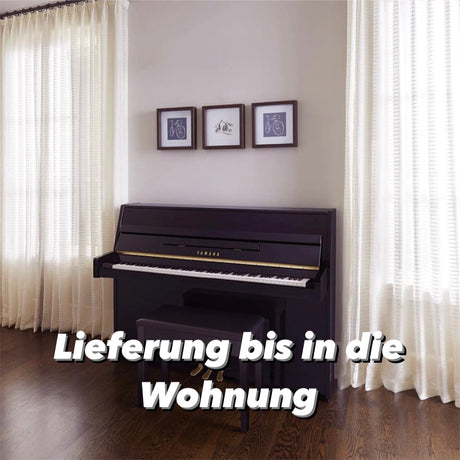
All new pianosYamaha B30 with SC3 SilentPassende Produkte


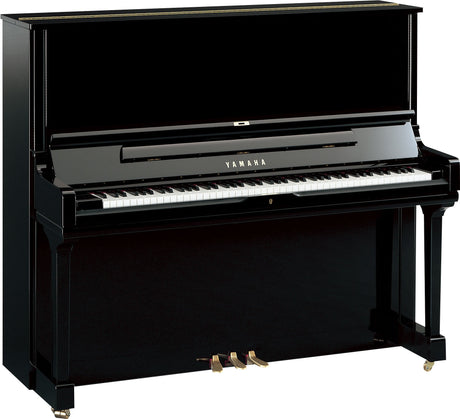

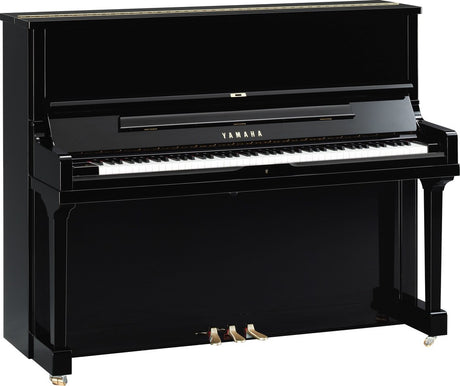
Yamaha SE-122 Upright Piano Polished Ebony with SH3 Silent System
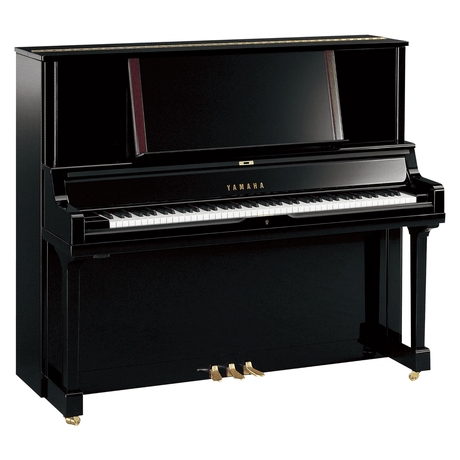
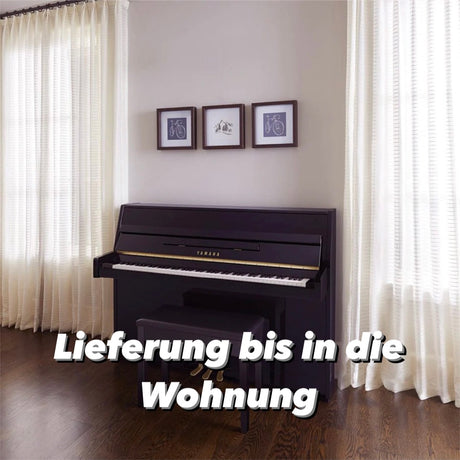
Yamaha YUS-5 Upright Piano in Polished Ebony with SH3 Silent System