After the recorder, many children and teenagers face the question of what comes next – and clarinet and saxophone are usually both on the table. Both belong to the family of single-reed instruments, which makes the step seem similar at first glance. Looking closer, though, reveals clear differences in embouchure, fingering system and weight, and those are what ultimately decide which path feels easier.
This comparison looks at the individual building blocks of the switch rather than a blanket verdict. What follows is guidance that fits the child, their build and the ensemble they are aiming for.

Single-reed instrument with a register key in the second range, weight rests on the hands
Ideal for: for those who want a light instrument without a strap and a versatile, bright tone
See all Klarinetten →
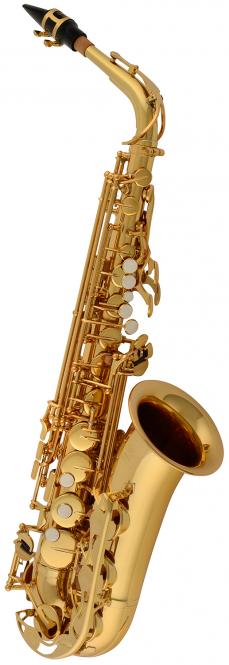
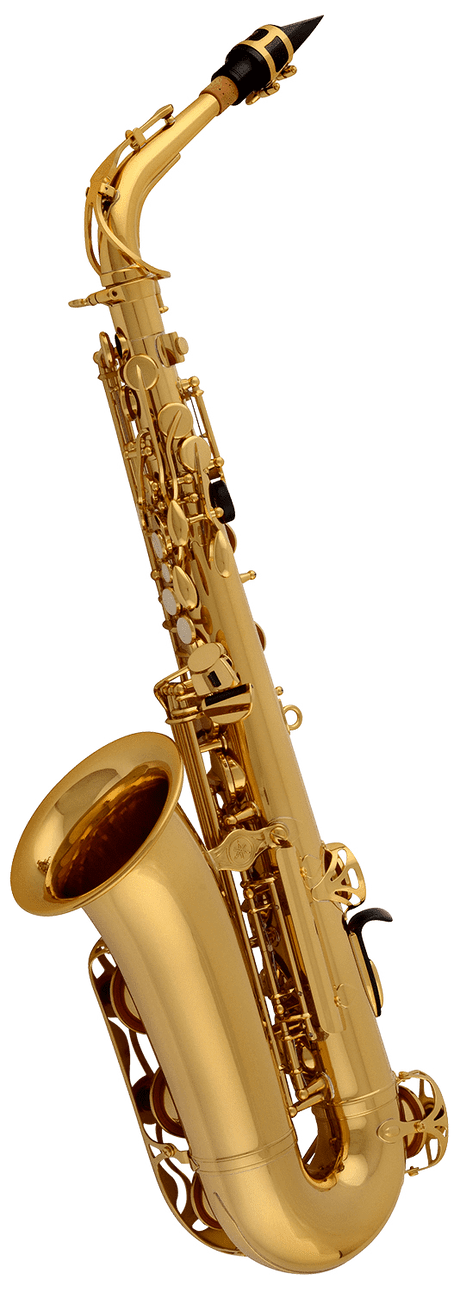
Metal body with an octave key like the recorder, weight rests on the strap
Ideal for: for those who want a more familiar overblowing principle and a warm, powerful tone
See all Saxophone →01The shared starting point: the reed
Clarinet and saxophone share the biggest change compared with the recorder: both are played through a single reed on a mouthpiece, while the recorder needs no reed and no active lip tension. The embouchure has to be learned from scratch, the lips wrap around the reed, airflow becomes more focused, and the first note no longer comes by itself.
This step is equally big regardless of which instrument you choose. Anyone hoping to sidestep the embouchure change by picking one instrument over the other will be disappointed, the real difference between clarinet and saxophone lies elsewhere.
02Fingering: register key or twelfth overblow
This is where the biggest technical difference shows up. The clarinet has a cylindrical bore and overblows at the twelfth, so the second register sits an octave plus a fifth above the first and requires an entirely new set of fingerings. This register jump is the best-known learning hurdle in clarinet playing.
The saxophone, by contrast, has a conical bore and overblows at the octave, just like the recorder. The basic principle of the octave key is closer to the recorder's thumb hole, which makes the logic feel more familiar to anyone switching over. The Yamaha YCL-255 S Klarinette Böhm-System uses the widely adopted Boehm system, while the Yamaha YAS-280 Altsaxophon in Es – Gelbmessing-Korpus, goldlackiert (zweiteiliger Becher, Mundstück 4C & Leichtkoffer inkl.) relies on the classic octave-key mechanism of the alto saxophone.


03Weight, posture and strap
A clarinet is relatively light and is usually held with both hands, with a thumb rest for the right hand, so a strap is generally not needed. The weight is easy to manage even for smaller children's hands.
An alto saxophone such as the Yamaha YAS-280 Altsaxophon in Es – Gelbmessing-Korpus, goldlackiert (zweiteiliger Becher, Mundstück 4C & Leichtkoffer inkl.) is considerably heavier due to its metal body and is carried on a shoulder or neck strap. The weight then rests on the body rather than the hands, which takes the load off the grip, but a well-adjusted strap is essential for this, especially for younger players.
04Reed strengths for beginners
Both instruments start with soft beginner reeds, typically in the 1.5 to 2 strength range, since a reed that is too hard makes the first note unnecessarily difficult. Clarinet reeds are cut narrower, saxophone reeds wider due to the larger tip opening of the mouthpiece. Moving from synthetic to natural reeds works in a similar way for both instruments and is more a matter of personal habit than of which instrument you play.
05The typical path: school wind band and community band
Many children do not start on their own but through a school wind band or the local community band, which teaches both instruments together and often arranges a suitable instrument on loan. The needs of the ensemble often play a role too: a missing clarinet in the wind band or a missing saxophone in the big band can influence the choice, alongside the child's build and preferences. Our Blasinstrumente category gives an overview of both instrument families.
| Feature | Clarinet | Saxophone |
|---|---|---|
| Embouchure | Single reed, lips around the reed | Single reed, comparable embouchure |
| Overblowing | Twelfth – new fingering in the 2nd register | Octave – more familiar logic, like the recorder |
| Weight/posture | light, usually without a strap | heavier, shoulder or neck strap needed |
| Tone character | bright, versatile | warm, powerful |
| Typical setting | school wind band, wind orchestra | school wind band, big band, wind orchestra |
Both instruments share the same first step, the reed and the new embouchure. After that, the paths diverge: the clarinet is light and held without a strap but requires new fingerings in the second register. The saxophone overblows more familiarly, like the recorder, but brings more weight and a strap along with it. Which path feels easier ultimately comes down to the child themselves, and often to which spot happens to be free in the school wind band.
Frequently asked questions
Is the clarinet or the saxophone easier after the recorder
Why does the clarinet overblow differently from the saxophone
Does a saxophone really need a strap
Which reed strength suits a beginner
Find the right beginner instrument
From the clarinet's Boehm system to the saxophone's octave key, both starting points at a glance.
Browse all wind instrumentsDiscover the Yamaha YAS-280Passende Produkte


Yamaha YCL-255S Clarinet – Boehm system, wood-look ABS, 17 keys/6 rings