

Moving from a good student instrument to a professional saxophone is not about buying a bigger model, but a different idea of sound. In the professional class, material, handwork and the brand's tonal philosophy decide how the instrument feels and carries. This buying guide explains what makes a professional saxophone and what the four big alto names stand for: Selmer, Yamaha Custom, P. Mauriat and Forestone.
A note up front: in this class there is no best instrument. There is the one whose tonal character suits your music and your playing. That distinction is exactly what this article is about.
01What Makes a Professional Alto Saxophone
The step into the professional class is less a question of price than of build. Professional saxophones are usually made from higher-grade brass, often with a higher copper content, and assembled by hand in many steps. Hand-hammered or hand-engraved bells, carefully fitted keys and precisely cut tone holes are not decoration: they determine how the instrument vibrates.
In playing, this shows in three things. The response becomes more direct, the instrument reacts more finely to embouchure and air. Intonation becomes more stable across the whole range, which makes the difference in ensemble and in the high register. And projection grows: the tone carries further and keeps its core in the low range as well as the high.
Choosing the individual instrument matters in this class. Even two professional saxophones identical on paper never sound exactly the same. Anyone buying at this level ideally picks the specific instrument that fits their embouchure, mouthpiece and repertoire. A new professional horn also needs a playing-in period during which player and instrument settle into each other.
02Selmer Paris: the French Classic
Selmer of Paris is for many the reference against which professional saxophones are measured. The brand stands for a warm, round core with a characteristic tonal depth that has shaped the sound of the classical and jazz saxophone for decades. Anyone seeking the traditional, singing alto saxophone tone almost inevitably ends up with Selmer.
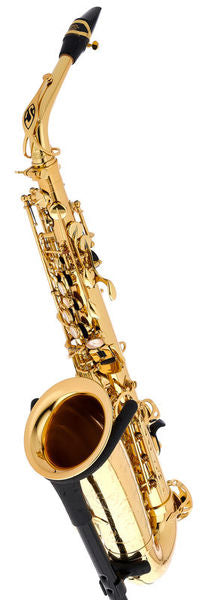
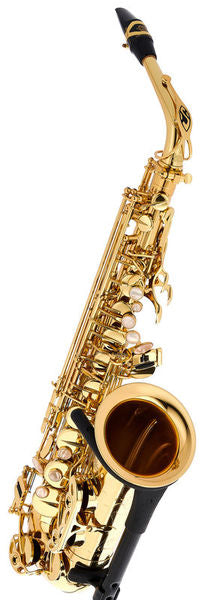
The Selmer Super Action 80 II Altsaxophon mit Gravur is a professional instrument of this line with elaborate hand engraving. It combines the typical French tonal core with a flexible response that allows a lot of expression but also rewards a mature technique. Selmer is therefore less the instrument for the first professional step than the choice for players with a clear tonal idea. For an older Selmer generation or a specific used model, it is best to ask us directly.
03Yamaha Custom: Precision and Reliability
Yamaha takes the route of precision. The Custom series stands for excellent intonation, very even response across all registers and a build you can rely on in concert and studio alike. Where Selmer emphasises character, Yamaha emphasises control.
The Yamaha Altsaxophon YAS-875 EX is the professional alto saxophone of this line. It sounds full and centred while staying predictable: the tone reliably goes where you want it. That makes the 875 EX a strong choice for players working across different styles who want an instrument that does not get in the way. For an orderly move up from the upper student class, Yamaha is often the natural step, because the playing feel stays familiar.
04P. Mauriat and Forestone: Vintage-leaning and as an Alternative
P. Mauriat has made a name with a deliberately vintage-leaning sound. The instruments aim for the warm, slightly raw character of older American and French horns, combined with modern manufacturing. The P. Mauriat XA-67R DK Altsaxophon in a dark lacquer stands for exactly this direction: a colourful, speaking tone full of life that plays to its strengths especially in jazz and expressive styles.
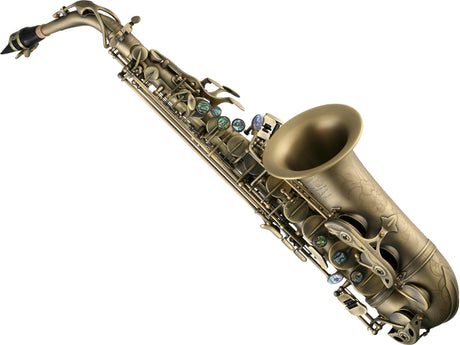
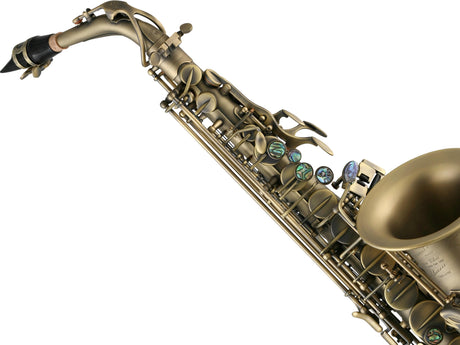
Forestone is the independent alternative in this field. The FORESTONE Alt Saxophon, Cognac lackiert, inkl. Koffer offers a professional standard at a more accessible entry into the class and comes with a case. It suits everyone who wants to take the step into the professional segment without committing right away to the French or the Japanese path. Beyond this quartet, we also carry Yanagisawa instruments as well as selected used Selmer saxophones on request.
05The Four Brands at a Glance
Which brand suits whom depends above all on the desired tonal character. The table sorts the four lines by sound and price class. The price figures are a rough guide for the professional class, the current prices are shown on each product page.


| Brand | Tonal character | Ideal for | Price class (rough) |
|---|---|---|---|
| Selmer Paris | warm, round core, classic depth | clear tonal idea, classical and jazz | top of the professional range |
| Yamaha Custom | full, centred, very controlled | versatility, reliability, orderly step up | upper-mid professional range |
| P. Mauriat | vintage, colourful, speaking | jazz and expressive styles | mid professional range |
| Forestone | warm, independent, professional entry | entry into the professional class, case included | entry point to the professional range |
In the professional class there is no winner, only the sound that suits you. Selmer for the warm, classic core, Yamaha Custom for control and versatility, P. Mauriat for the vintage-leaning character, Forestone for an independent entry into the class. Anyone still early on their path will find the right run-up in our guide on moving from a student instrument to a professional model.
Frequently asked questions
How do I recognise a real professional saxophone?
Which professional alto saxophone is right for me?
Is a professional saxophone worth it for advanced players?
Does a new professional saxophone need playing in?
Ready for the step into the professional class?
Compare the professional alto saxophones from Selmer, Yamaha, P. Mauriat and Forestone in our saxophone category.
View saxophonesView the Yamaha YAS-875 EXPassende Produkte
Selmer Super Action 80 Series II Eb Alto Saxophone – gold lacquer, Jubilee engraving & high-F# key


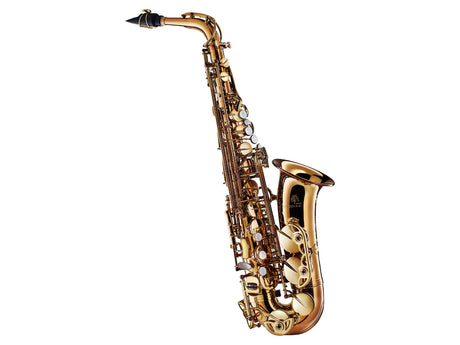
Forestone GX Cognac Alto Saxophone (Eb) – yellow brass body with high F# key, Pisoni pads and case